
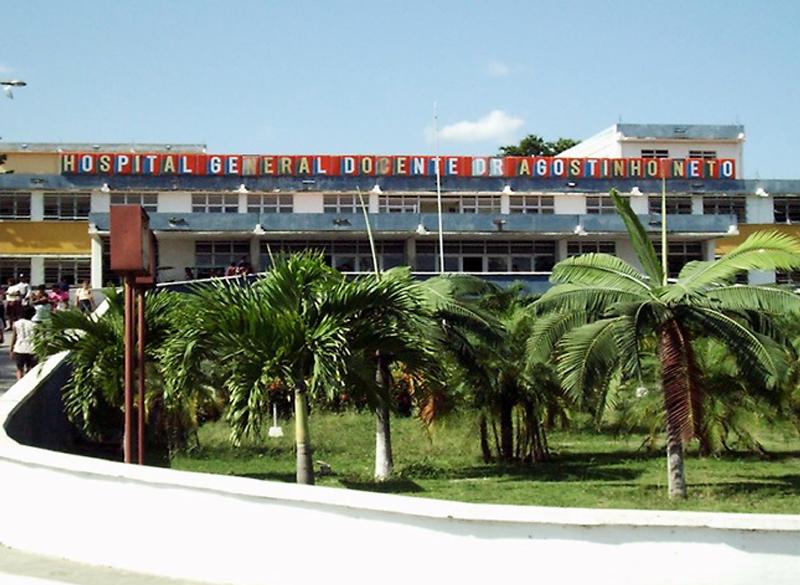
Guantanamo.- Despite the growing fuel shortage in Cuba, exacerbated by the US blockade, the hemodialysis unit at the Dr. Agostinho Neto General Teaching Hospital is providing this costly treatment to 60 patients from seven municipalities with chronic kidney disease, out of the 91 patients receiving dialysis in the province.
Alibeta Ilia Ferrán Llopiz, a specialist in Comprehensive General Medicine and Nephrology and head of the service at the province’s largest hospital, specified that the remaining 31 patients, from the municipalities of Imías, Maisí, and Baracoa, receive treatment at the Octavio de la Concepción y de la Pedraja Hospital, in the municipality of Baracoa.
Hemodialysis is performed on patients with chronic kidney disease as a renal replacement therapy. During haemodialysis, patient’s blood runs through a machine and back into his body after it has been treated, or artificial kidney. It removes extra fluids and waste products from the blood that the kidneys normally eliminate via urine, Ferrán Llopiz explained.
She mentioned that the main causes of the disease are nephropathy, diabetes, hypertension, polycystic kidney disease, or obstructive nephropathy, as well as obesity and a history of heart, cerebrovascular, kidney, genetic, hereditary, or familial chronic kidney disease.
She explained that, given the current situation, they have taken measures to guarantee care and treatment for patients suffering from this condition, which is provided completely free of charge.
Treatments at the dialysis unit are usually done 3 times a week, each taking 3 to 4 hours to, and there are 17 functioning dialysis machines. In addition, the water treatment plant has been operational for two years and allows for the production of the dialysis fluid used to purify the blood for kidney function, she detailed.
