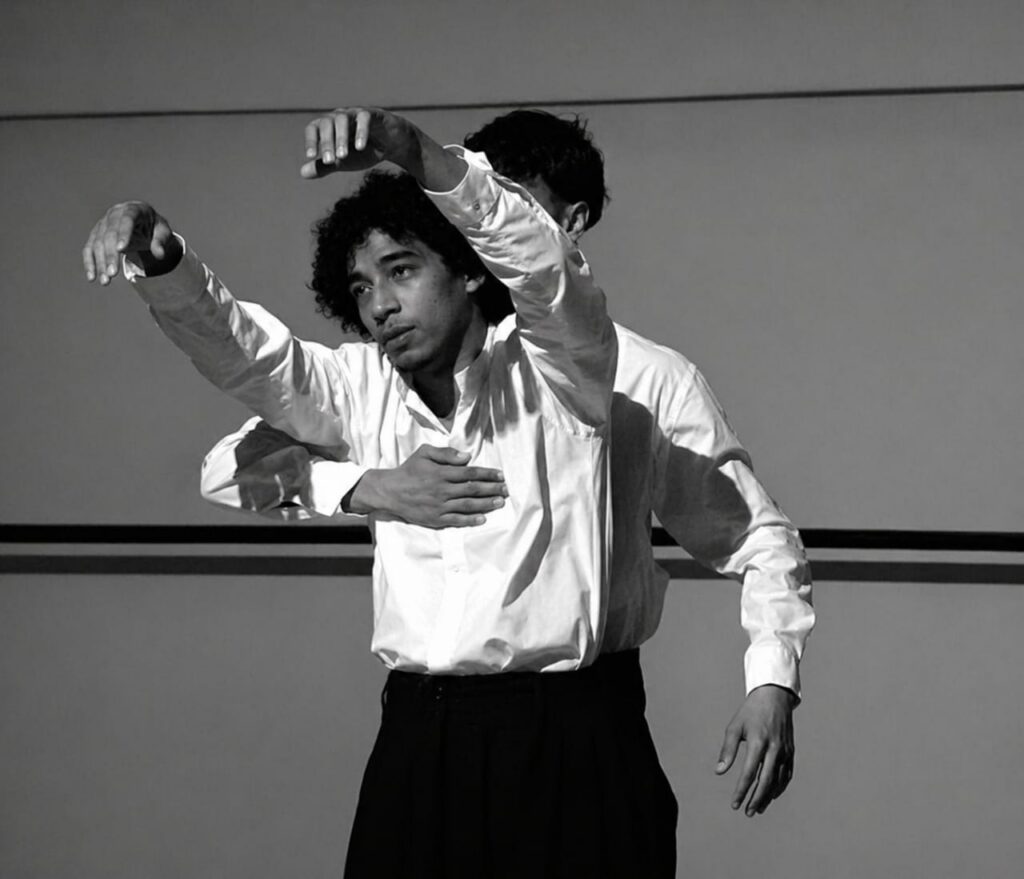
 Guantanamo.- The International Dance Day, celebrated every April 29, once again confronts us with a fundamental question: what role does art play in the complexities of the contemporary world? In 2026, Canadian choreographer Crystal Pite invites us to consider dance as a space of resistance and hope, where creativity becomes a vehicle for addressing current challenges.
Beyond being merely a performance, dance also represents a daily practice and a means of livelihood for dancers, choreographers, and teachers, among other artists involved in this vibrant field. Creation, research, and collaboration in artistic processes require faith in the transformative capacity of human beings, as well as in collective leadership and the availability of both material and human resources.

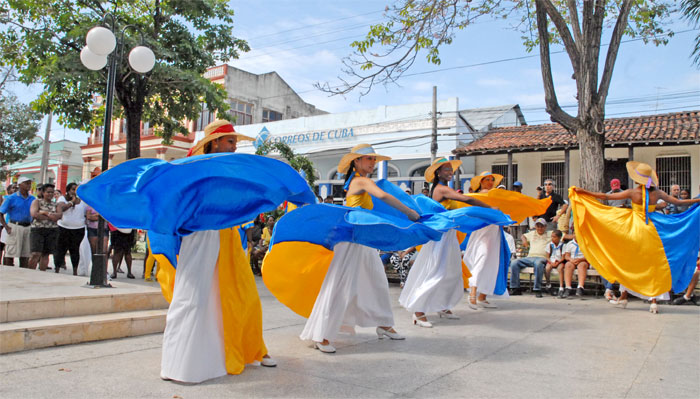
In a context marked by tension and uncertainty, bodily expression becomes more essential than ever. From Guantánamo, initiatives such as the “Improntus del Cuerpo” Inner Space and the children’s gathering “Juego y Fantasía,” held at Teatro Guaso and led by the Danza Fragmentada company, reaffirm art as a meeting point within the community.
Despite current challenges—such as budget cuts, the constant exodus of dancers and technicians, power outages, and economic pressures—these groups continue moving forward with their projects. They adapt and resist, performing even in alternative spaces and bringing their art to peripheral communities.
In doing so, they celebrate International Dance Day, echoing Crystal Pite’s message: “We are moved by these vanishing traces of beauty in the present moment. And as we embody both the dance and its disappearance, we are reminded of our impermanence. At the same time, if we are paying attention, dance will give us an occasional glimpse of the soul.”