
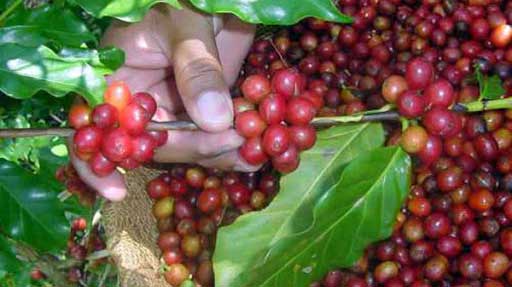
 Guantánamo.- A study aimed at assessing the agricultural suitability of coffee in the municipality of Yateras was conducted by a team of researchers from the Provincial Meteorological Center and its counterpart in mountain development.
This unique research in Cuba utilized multivariable modeling, incorporating factors such as precipitation, temperature, altitude, slope, soil type, and depth to evaluate the region’s potential for coffee cultivation.
The findings of this research were published in the third quarterly edition of the scientific digital journal Hombre, Ciencia y Tecnología, covering the period from July to September 2026.
The results indicate that altitude and water stability are critical factors for coffee production in Yateras, while soil depth poses a significant limitation for the exportable coffee grain.
Led by engineer Rodelkys Hernández Turcas from the provincial meteorological center, the study highlights a shift in productive areas towards higher altitudes when comparing moderate and extreme scenarios.
The use of multivariable modeling has proven to be an effective statistical tool for territorial planning and coffee resilience, providing scientific evidence to guide decision-making in coffee farming amid climate variability.
