
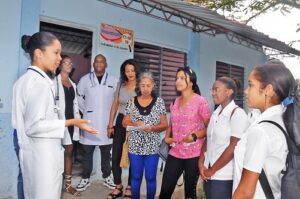
 Guantánamo. — The energy crisis caused by the hostile policy of the United States against Cuba impacted all spheres of Guantánamo province. Medical education in the eastern Cuban province of Guantánamo has been restructured in response to ongoing energy shortages, relocating much of the training process from classrooms to community-based healthcare settings, local authorities and academic sources said.
The adjustments have enabled students of medical sciences to continue their education through direct participation in patient care, including clinical consultations, home visits and follow-up services, under professional supervision.
At facilities such as the 4 de Agosto Polyclinic, students are engaged in primary healthcare delivery, combining academic instruction with practical experience in real-world conditions.
Educators say the approach strengthens clinical competencies while increasing students’ exposure to the social determinants of health.
In vulnerable communities, where overcrowding and socioeconomic challenges are prevalent, students are also involved in community health assessments, preventive care and health education initiatives.
The decentralized training model has been extended to municipalities including Manuel Tames, where nursing students carry out supervised fieldwork as part of their academic requirements.
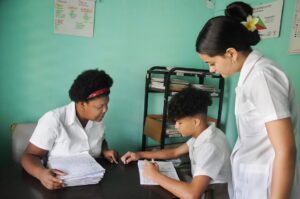 The University Student Federation (FEU) has supported the initiative, promoting student participation in community-based programs aligned with public health priorities.
One such initiative, the “March 13 Brigade,” brings together students from multiple disciplines to support the Mother and Child Care Program through outreach activities targeting pregnant women, infants and families.
Authorities and faculty members say the measures have allowed the continuity of medical training despite infrastructural challenges, while reinforcing a practice-oriented and community-focused approach to professional development.
Source: Periódico Venceremos
