
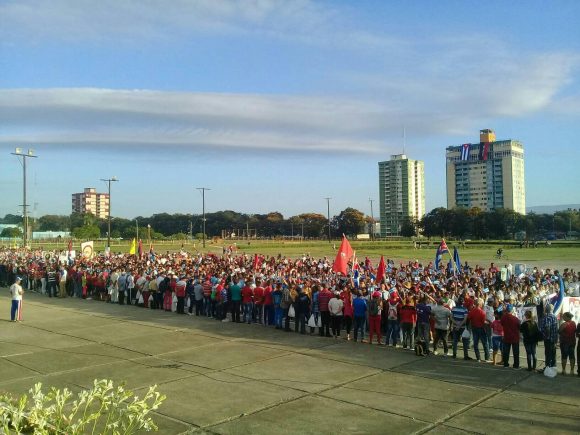
 Guantanamo.- May Day, International Workers’ Day, has its roots in the harsh reality faced by Chicago workers in 1886. With workdays of up to 18 hours and precarious conditions, the workers launched a massive strike to demand an eight-hour workday. The turning point came on May 4th with the Haymarket Riot, when the police brutally suppressed the protests, resulting in deaths and arrests.
Eight union leaders were convicted; four of them, known as the Chicago Martyrs, were executed, becoming a global symbol of the workers’ struggle.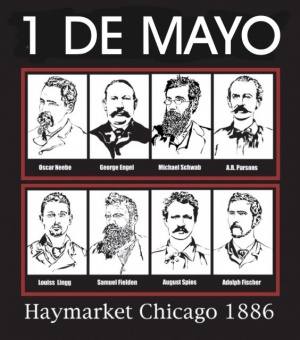
In 1889, the Second International declared May Day as a holiday of proletarian’s demonstration and remembrance. Cuba was a pioneer in joining this celebration, bringing together thousands of workers starting in 1890.
In Guantánamo, this tradition began in 1924 at the Campoamor Theater, with the participation of various local unions. Nicomedes Quiala Álvarez, a prominent leader known as “Pijindi,” delivered a landmark speech commemorating the sacrifices of the working class and highlighting the October Socialist Revolution in Russia.
Since then, May Day has strengthened the unity and resilience of the Cuban working class. Following the triumph of the Cuban Revolution in 1959, this date became a major popular celebration that keeps alive the legacy of struggle that began in Chicago, United States, which shows the strength and dignity of workers throughout the country.
