
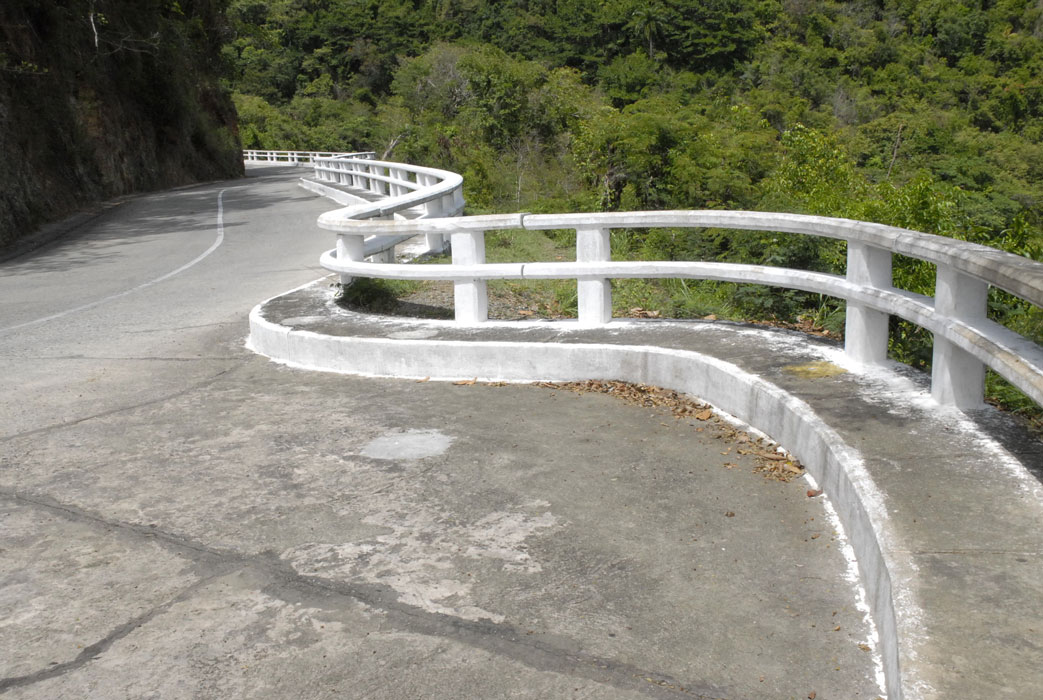
 Guantanamo.- This December marks sixty years since the completion of the La Farola Viaduct, a Guantánamo megastructure that brought permanent light to Cuba’s oldest city and, due to its majesty, quality, and impressive technical solutions, stands as a lasting tribute to Cuban builders.
Twenty months (from April 1964 to December 1965) were enough for the builders to complete the viaduct, whose original design was by engineer Maximiliano Isoba.
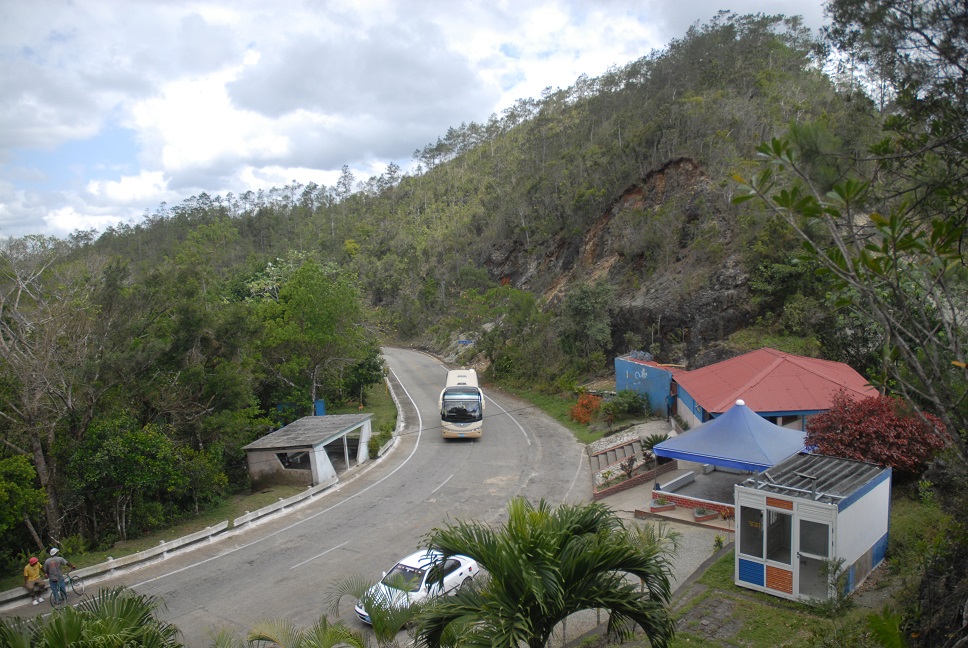
The famous viaduct extends from the Las Guásimas bridge (Veguita del Sur) to the viewpoint near Alto de Emilita. It is hosted in the air at 450 meters above the sea level and it has a length of 6 kilometers on the so-called Vía Azul, the 154-kilometer highway that connects the cities of Guantánamo and Baracoa.
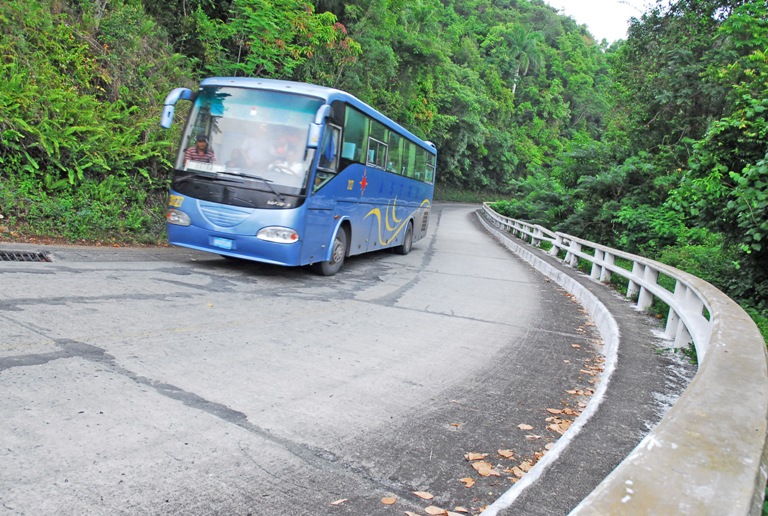
La Farola also marks the transition from one geographical region to another with contrasting climatic and hydrographic characteristics: from the dry south, where rainfall is scarce and vegetation is semi-desert, to the north with abundant precipitation and lush flora.
For the difficulty of its construction and the important function it fulfills by connecting and integrating with the rest of the island the city of Baracoa. Because of this, it has been declared as one of the 7 wonders of the Cuban civil engineering.
