
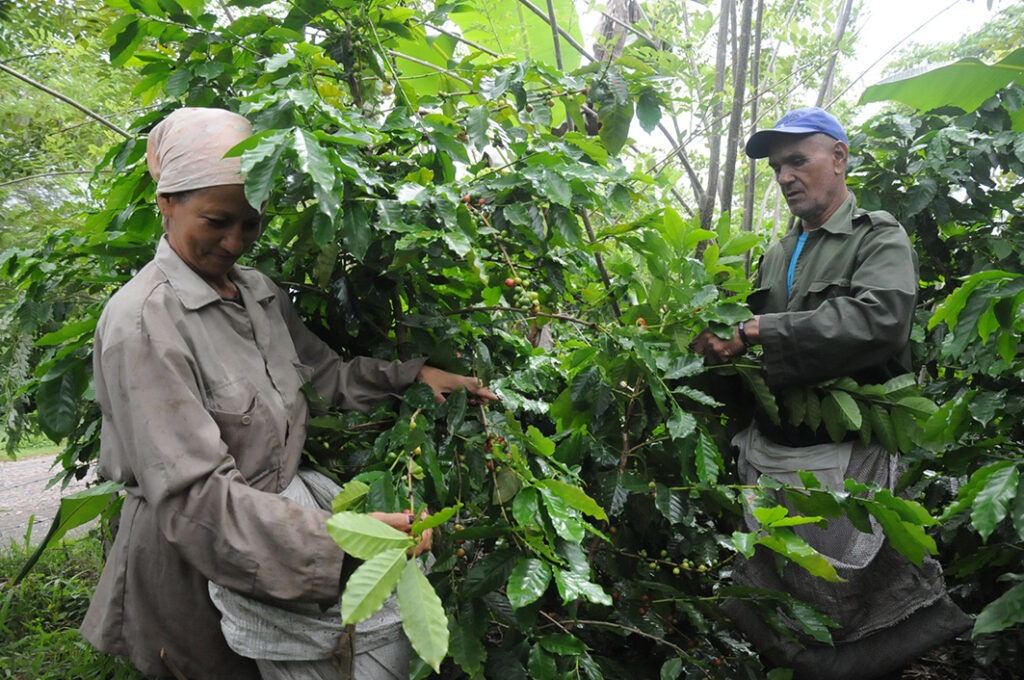
 Guantánamo. -The recovery of coffee production has become one of the main economic challenges facing Maisí, a municipality that once harvested more than 1.3 million cans of coffee annually but now produces less than 100,000.
Local authorities say the decline of the sector is linked to several factors, including shortages of fertilizer and agricultural supplies, the abandonment and deterioration of plantations, and the conversion of coffee-growing areas to other crops such as root vegetables and grains.
The impact of hurricanes has also taken a heavy toll, particularly Hurricane Matthew, which caused extensive damage to coffee plantations in the region. Officials also pointed to an aging agricultural workforce as another obstacle to recovery.
“The coffee sector requires a new approach, beginning with expanding planting programs that currently do not meet the municipality’s needs,” authorities said.
Despite these challenges, Maisí has reported progress in other areas, including the Mother and Child Healthcare Program (PAMI).
The municipality maintained a period without infant deaths under one year of age until a recent case increased the figure slightly.
Health officials said overall results remain positive, crediting the work of doctors, nurses, healthcare workers, and institutions that support the PAMI.
Organizations such as the Iraelda Marzo Basic Unit of Cooperative Production have contributed by providing food supplies, including vegetables, grains, fruits, and meat, to help improve nutrition among pregnant women.
Water Infrastructure and Local Development Projects
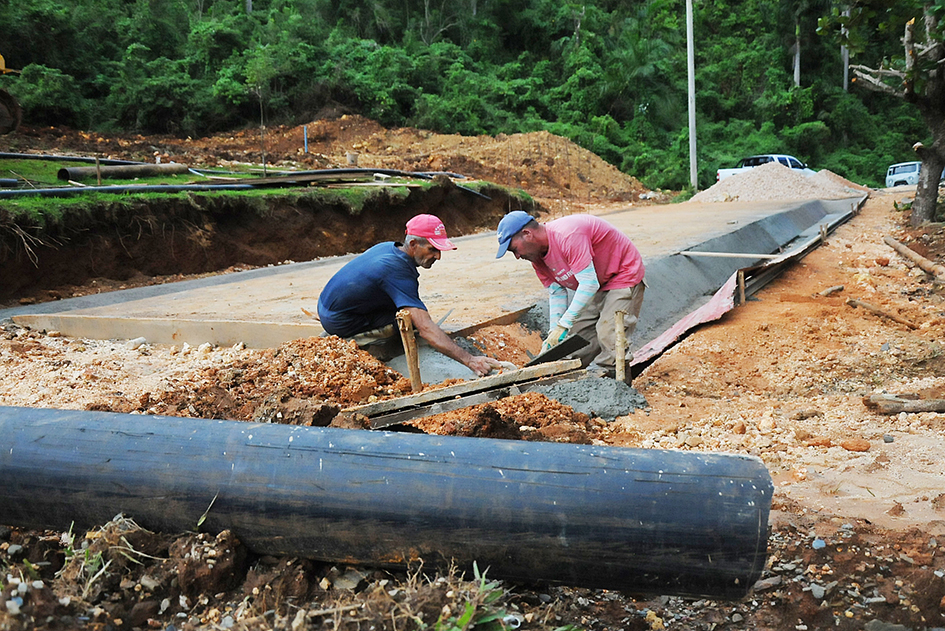
Improving access to water remains another major priority for Maisí, where residents have historically faced long intervals between water supply cycles.
Authorities are carrying out hydraulic projects, including improvements to the Maya River pumping system and the recovery of gravity-fed water sources that benefit communities such as Punta de Maisí, Sabana, Quemados, and Jobo Claro.
New connections have been added to the water network, while repairs to leaks and blockages have helped improve pressure and reduce supply intervals.
Additional development plans include installing solar-powered streetlights, building electric charging stations and service facilities in La Máquina, La Asunción, La Ceiba, and Sabana, and introducing five electric tricycles to provide transportation between La Máquina and the Los Llanos polyclinic.
Officials also highlighted the need to increase food production and improve sanitation and public spaces as Maisí prepares to host the provincial commemoration of July 26.
