
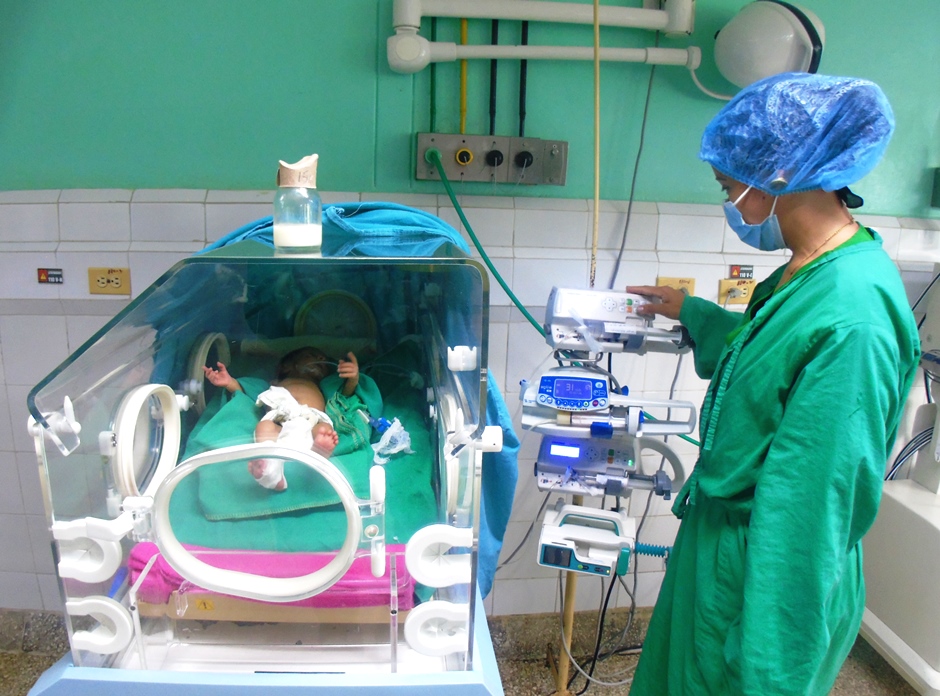
 Guantanamo.- Neonatal intensive care units (NICUs) in Cuba face significant challenges which are imposed on the island by the commercial and financial blockade of the United States government, exacerbated by the economic strangulation measures enacted by the Donald Trump administration.
Dr. Yanet Téllez Castillo, head of the Neonatology Service at the Dr. Agostinho Neto General Teaching Hospital, emphasizes her team’s daily commitment to saving the lives of newborns, despite resource shortages.
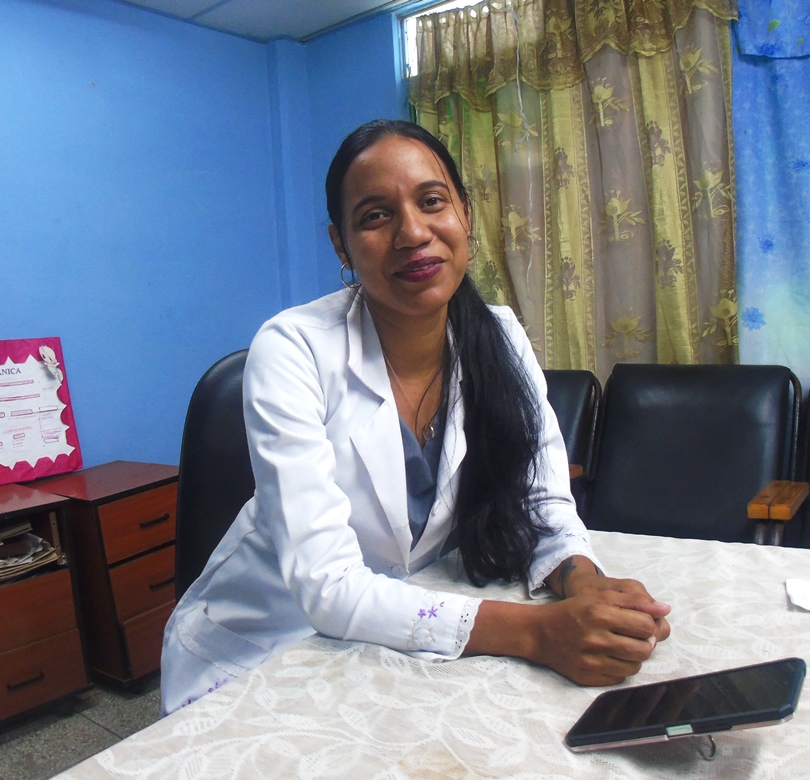
The unit cares for infants with health problems that require specialized attention, such as a premature baby with a fractured femur who needs to be transferred to a pediatric cardiac center in Havana City.
Since the Cuban Revolution, these services have evolved and now have protocols in place for caring for newborns with low birth weight or with high-risk or complex health conditions.
Despite the staff’s youth, they are supported by experienced physicians, who guarantee high-quality professional care.
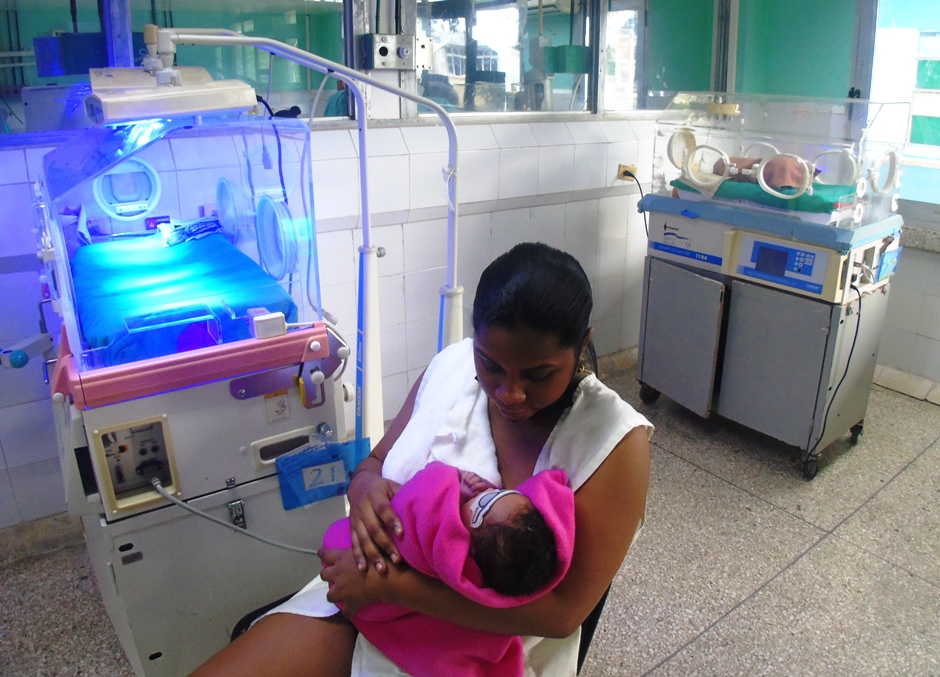
Dr. Téllez mentions the lack of vital supplies such as antibiotics and medical equipment, but points out that the team’s love and dedication are fundamental to overcoming these difficulties.
The work of these units is recognized and appreciated by the mothers, who see these services as a guarantee for the survival of their children.
 The U.S. blockade has impacto on the shortage of cardiometers and perfusion pumps, which are essential for the care of newborns. Photo: Venceremos Newspaper.
Dr. Téllez Castillo, a young first-degree specialist in neonatology, has led a team of 37 doctors and 53 nurses for about six months, who work daily to improve morbidity rates and save the lives of newborns.
“This service in Guantánamo has an intensive care unit for newborns that weigh is less than 1,500 grams or with a higher weight and associated morbidity,” she said.
In the Neonatal Service there are also intermediate care, nutritional recovery, and observation cubicles to care for preterm infants with low birth weight or who experienced intrauterine growth restriction (IUGR), following established protocols.
Guantánamo, like all provinces in the country, has its own Neonatal Intensive Care Unit (NICU), postpartum wards, resuscitation rooms, and a rooming-in unit at its main medical institution, and a smaller, similar unit at the Octavio de la Concepción y la Pedraja Hospital, in the municipality of Baracoa.
