
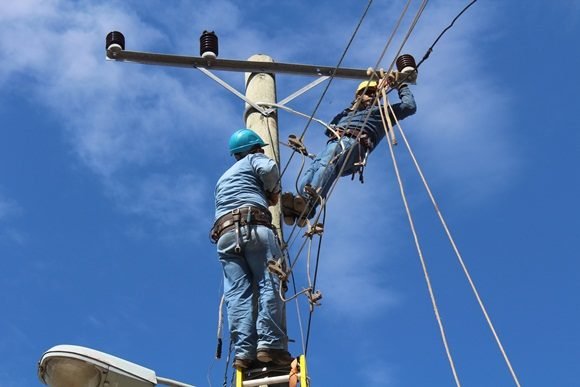
 Guantánamo – Every year on April 28th, the World Day for Safety and Health at Work is observed globally. This date holds particular importance in Guantánamo province, where work in key economic sectors such as agriculture, construction, food production, and healthcare involves specific risks to the safety and health of thousands of specialists, technicians, and laborers.
Occupational risk prevention in this eastern Cuban province is not only a regulatory obligation but also a strategic imperative for ensuring the sustainability of production and services.
With 75 percent of its terrain mountainous and semi-arid conditions along the southern coast, Guantánamo’s geography and climate demand strict safety protocols to prevent accidents and occupational illnesses.
Agricultural workers face hazards from exposure to pests and pathogens, as well as ergonomic challenges due to awkward postures. In healthcare, dangers arise from handling biological and chemical substances, plus disposable materials used in hospitals and community clinics. Thus, training on the safe management of these risks is essential.
According to data from the Provincial Directorate of Labor and Social Security, the highest historical accident rates in Guantánamo have occurred in agriculture, construction, healthcare, education, transportation, and the Azcuba sugar group.
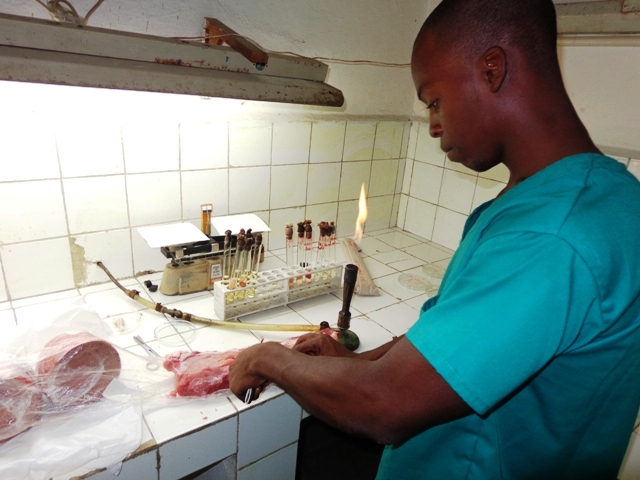
The most common incidents include falls from heights, electrical contact, cuts, blunt trauma, and traffic accidents.
To promote a culture of prevention, local initiatives focus on training programs for proper tool and protective equipment use, epidemiological surveillance with ongoing health monitoring to detect occupational diseases early, and fostering the shared responsibility of safety between employers and employees.
The observance of World Day for Safety and Health at Work in eastern Cuba serves as a reminder that no job is so important it cannot be done safely. Investing in occupational safety and health measures remains a cornerstone of Guantánamo’s economic development and social well-being.
