
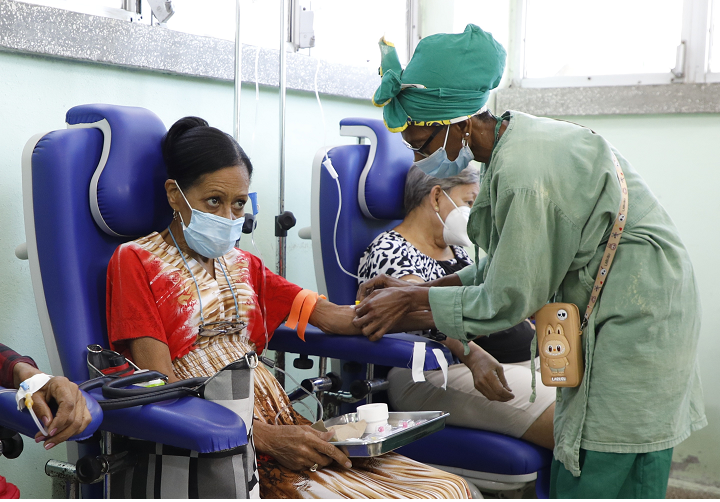
 Guantanamo.- At 69 years old, Fe Esperanza Moreno Vega embodies resilience as she undergoes chemotherapy for bladder cancer at the Dr. Agostinho Neto General Teaching Hospital’s Oncology Services in Guantánamo Province. Each month, around 200 patients are seen here, reflecting oncology’s growth in Cuba over the revolutionary period despite its 170-year history.
Cancer is the second leading cause of death in Guantánamo, with 3,820 patients treated in 2025. Lung and prostate cancers dominate among men, while breast cancer is most prevalent among women. According to Dr. Nilvia Corral Verdecia, chief oncologist in Guantánamo, and Ana Celia Sánchez Matos, regional cancer program coordinator, over 700 patients have already been treated this year.
While advanced radiotherapy is centralized in Santiago de Cuba, Guantánamo provides chemotherapy—mostly outpatient—with limited inpatient capacity. Patients arrive diagnosed and receive multidisciplinary consultations covering lung, head and neck, gynecologic, urologic, digestive, and peripheral tumors. The oncology team includes seven specialists, four nurses, and two pharmacists preparing cytostatic serums.
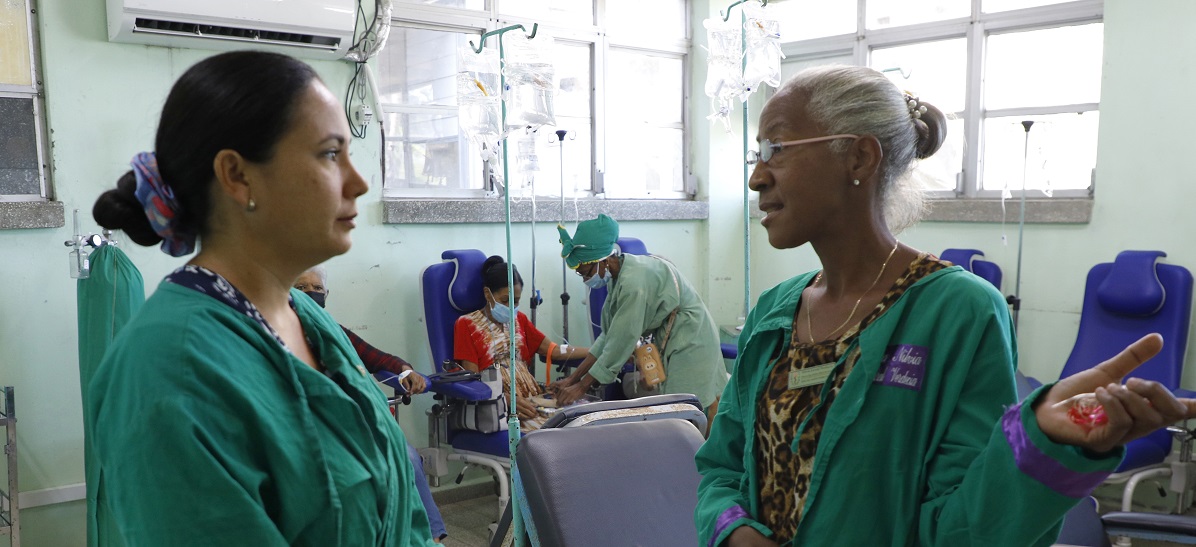
However, the services face severe challenges exacerbated by the U.S. blockade, including energy shortages restricting patient transport, broken diagnostic equipment like CT scanners and mammographs, and critical drug shortages threatening chemotherapy continuity. Cystoscopic studies essential for bladder cancer diagnoses are currently halted.
Despite these obstacles, Dr. Corral emphasizes their commitment: “We fight for cancer patients with science, adapting protocols, adjusting doses, innovating daily, and providing compassionate care.” Their tireless efforts underpin hope for Guantánamo’s growing population of cancer patients.
