
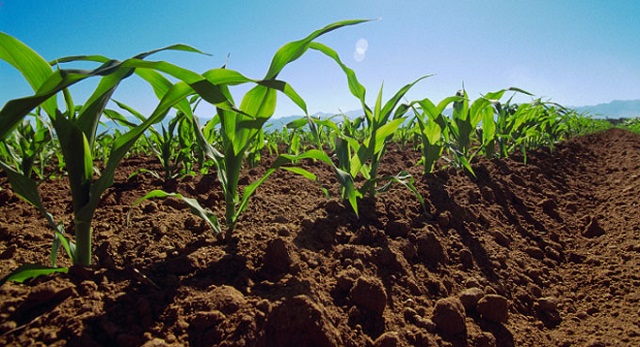
 Guantanamo.- The abundant rains in the Guantanamo Province were beneficial for agriculture, which is currently focused on planting winter crops and harvesting coffee as its primary tasks.
The rainfall was associated with an upper-level trough interacting with a warm and very humid flow, and a low-pressure area located over the Bahamas, becoming heavy and locally intense in places like Imías, Baracoa, and Casimba in the Philippines, where rain gauges recorded 194.5 millimeters, 171 millimeters, and 119.4 millimeters, respectively.
A preliminary report from the Ministry of Agriculture indicates damage to 12 hectares of developing tomatoes in the Caujerí Valley , in San Antonio del Sur Municipality and approximately 500 cans of coffee in Imías Municipality. However, the report emphasizes the benefits of the rains in various municipalities, particularly for developing crops, livestock, and water supplies.
Hundreds of hectares prepared in the province, precisely awaiting the rains, can now be planted, taking advantage of the soil moisture and the optimal stage for crop development.
This is an opportune moment to boost all possible plantings, starting with rice, soybeans, plantains, cassava, sweet potatoes, taro, yams, corn, beans, and vegetables, which thrive best during the cooler months.
In the case of the Caujerí Valley, the plains of the municipalities of Guantánamo, El Salvador, and Niceto Pérez should focus on increasing vegetable cultivation, especially tomatoes. Meanwhile, areas like Yateras should focus on cabbage cultivation.
Now is the ideal time to take full advantage of the soil moisture and move forward with planting programs, avoiding delays.
