
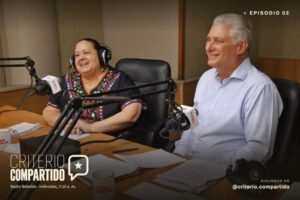
 Guantanamo. – During another segment of the program broadcast by Radio Rebelde and carried nationwide, Cuban President Miguel Díaz-Canel highlighted the role of social workers and the assessments they conduct in communities. These efforts make it possible to gain a closer understanding of the circumstances facing vulnerable individuals and families.
——‐
“Social workers have a major responsibility in this regard,” the president stated.
Díaz-Canel also emphasized the impact of the Shared Criteria program, noting the sensitivity with which it has reached government and Party structures. He said the initiative has generated a dynamic aimed at responding to people’s concerns and addressing them with compassion.
——
According to the president, this process builds public confidence by ensuring that citizens’ concerns are heard and acted upon. More than a radio program, Shared Criteria has become a space for dialogue and exchange, contributing to efforts to improve the living conditions of vulnerable individuals and families.
——-
At the beginning of the program, President Díaz-Canel expressed his satisfaction with the meeting held on October 20—the Day of Cuban Culture—with artists and creators. He underscored the role of this sector during times of transformation and its contribution to strengthening Cuba’s socialist development.
“We encountered projects, proposals and decisions—and that is truly moving,” the president said.
—–‘
🇨🇺| El Presidente @DiazCanelB explicó en #CriterioCompartido que #Cuba cuenta con una industria biofarmacéutica capaz de producir la mayor parte de sus medicamentos, pero enfrenta limitaciones por la falta de acceso a divisas y materias primas.
📹| https://t.co/D8F82gG3Iu https://t.co/zIdGYAlIpe
— Presidencia Cuba 🇨🇺 (@PresidenciaCuba) October 20, 2026
In the third broadcast of Shared Criterion, a program aired every other Wednesday on Radio Rebelde, citizens will once again engage in dialogue with Miguel Díaz-Canel Bermúdez First Secretary of the Central Committee of the Communist Party of Cuba and President of the Republic, and journalist Bárbara Betancourt.
–‘–
The exchange will also be broadcast on the platforms of the Cuban Presidency and across the national radio network through the iconic program Haciendo Radio,beginning at 7:15 a.m.
——-‘
How are vulnerable individuals and families identified and assisted? What responses do they receive to their problems? These will be among the central questions addressed during the program, which also seeks to provide feedback for the government’s agenda through citizens’ concerns, complaints, and personal stories.
——-‘
The program will follow up on calls from members of the public, including Judith’s case. She is a mother seeking support to care for her son, who has a disability.
The broadcast will also review the steps taken in response to other concerns raised by citizens and the specific assistance provided in each case.
—
According to the announcement, Minister of Labor and Social Security Jesús Otamendi will participate in the exchange to explain the mechanisms for providing assistance and the actions taken by the state in this area.
——–
The program will additionally address the impact of the U.S. blockade on the most vulnerable sectors of society, as well as the upcoming vote at the United Nations on Cuba’s resolution calling, year after year, for the blockade to be lifted—an initiative that traditionally receives overwhelming support from the international community.
Source: ACN
