
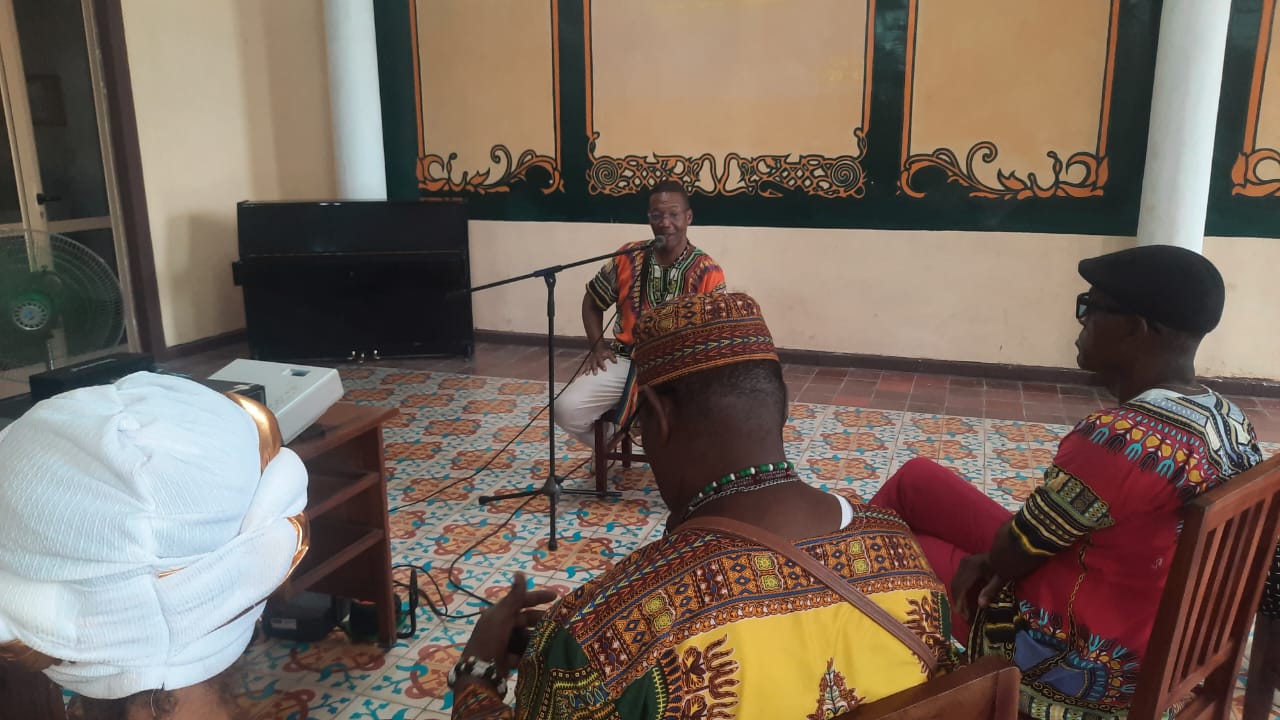
 Guantanamo.- The Cuban culture reconnected with its roots during the “Art and Identity” colloquium, which focused on analyzing and promoting popular religiosity in Cuba, particularly the influence of Yoruba traditions.
A documentary was showcased as part of the program, highlighting the richness of this cultural and religious practice. It featured Lázaro Ross, celebrated as the king of Yoruba songs, whose artistic contributions to the National Folkloric Ensemble have significantly preserved and promoted Afro-Cuban heritage.
The discussion was led by Ernesto Llewllin de la Era, director of the Ballet Folklórico Babul, who facilitated a dialogue on the intricate formation of beliefs in the Caribbean.
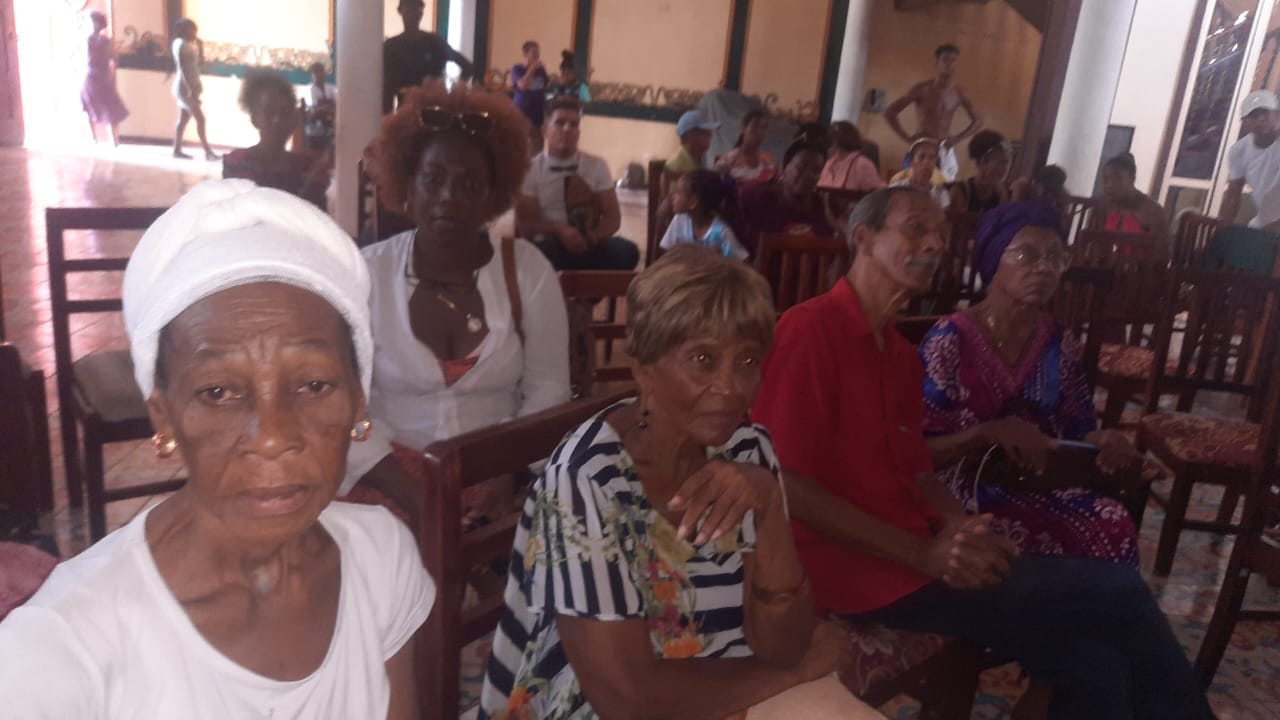
The debate examined the connections between European, African, and Indigenous American cultures, revealing how their knowledge, customs, and traditions intertwined throughout history to create a unique cultural mosaic.
The meeting included folklorists and representatives from Haitian and Yoruba associations, along with experts from cultural institutions, who enriched the conversation about diversity, cultural mestizaje, and the importance of safeguarding traditional expressions, primarily those passed down orally.
The colloquium concluded in the afternoon with performances by the cultural groups Los Cossiá and Renacer Cossiá, showcasing the intangible heritage of Guantánamo, under the auspices of the Casa de Cultura Rubén López Sabariego.
