
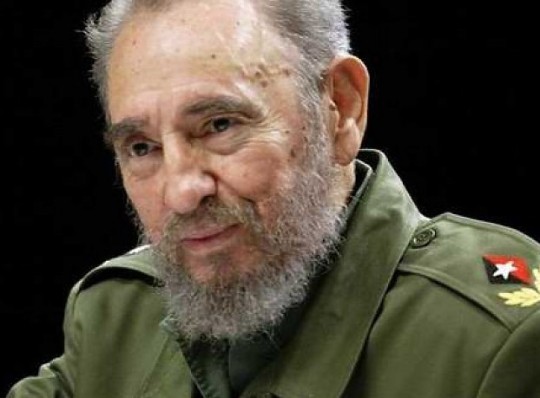
 Guantanamo.- From August 10 to 13, 2025, intellectuals, political scientists, journalists, researchers, artists, and representatives of solidarity organizations with Cuba worldwide convened for the First International Colloquium titled “Fidel Continues to Be a Beacon of Resistance, of Struggle for a More Just World.” This significant event marked a profound reflection on Commander-in-Chief Fidel Castro Ruz’s contributions to contemporary thought, commemorating the centennial of his birth.
The Union of Historians of Cuba (UNHIC), Guantánamo branch, actively participated with a delegation of 18 members. Their involvement included a comprehensive cultural and scientific agenda, reflecting the commitment and high caliber of proposals presented by representatives from this eastern province.
A notable initiative advanced by the provincial UNHIC is the establishment of the Honorary Chair for the Study of the Thought and Work of Fidel Castro Ruz at the University of Guantánamo. This chair is collaboratively supported by the provincial UNHIC, the Provincial Center for Books and Literature, and the Network for Educational Support of Afro-descendant Women (RAEMA). Together, these organizations intertwine history, culture, and remembrance in homage to the revolutionary leader.
Among key activities was the 22nd edition of the Research Workshop “Baracoa: History, Culture, and Traditions,” held on August 10, 2025, at 8:30 a.m. at the “Fuerte Matachín” Municipal Museum. This scholarly gathering honored multiple milestones: the 515th anniversary of the founding of Nuestra Señora de la Asunción de Baracoa, the centenary of Fidel Castro’s birth, and the 120th anniversary of the Primero de Abril Municipal Concert Band.
The academic program featured an opening ceremony with both the National Anthem and the official anthem of Baracoa, followed by the workshop presentation, award ceremonies recognizing distinguished historians and institutions, and presentations on emblematic regional figures as well as Fidel Castro’s enduring influence in Baracoa. Among the presenters, the city historian Alejandro Sebastián Hartmann Matos—recipient of the National Cultural Heritage Award—and other specialists explored topics related to the cultural and social fabric of the city.
Further enriching the agenda, on August 12, an exchange session at the José de La Luz León Library in Maisí engaged youth involved in projects inspired by Fidel Castro’s initiatives in the region. The session featured a lecture titled “Plan Gran Tierra: 59 Years of Revolution,” delivered by MSc Lorenis Pérez.
The festivities concluded on August 13 with the central commemorative event at the El Framboyán cultural center honoring the Commander’s centennial. Following a political segment, participants enjoyed a poetry reading themed “Poetry and Song to Fidel,” celebrating his legacy through artistic expression.
Through these multifaceted activities, historians from Guantánamo have demonstrated a profound dedication to preserving and disseminating Fidel Castro’s legacy. Their work not only contributes to international discourse around his ideological influence but also reaffirms his lasting significance as a symbol of resistance and social justice.
