
 Guantanamo.- Every year, one-third of the food produced worldwide is wasted—a stark and troubling reality, especially in light of the food insecurity faced by millions globally, worsened by structural challenges such as wars and conflicts.
In Cuba, the situation is similarly adverse, largely due to the economic blockade and daily logistical constraints that hinder food availability. This context calls for innovative and sustainable solutions that showcase the remarkable resilience of its people—turning setbacks into successes.
Initiatives such as the family garden and urban plot movements exemplify how social consumption can be sustained at the community level. Nevertheless, significant challenges remain, including post-harvest losses, deficiencies in cold chain management, and limited storage infrastructure, all of which continue to restrict food availability. Addressing these issues requires a systemic approach.
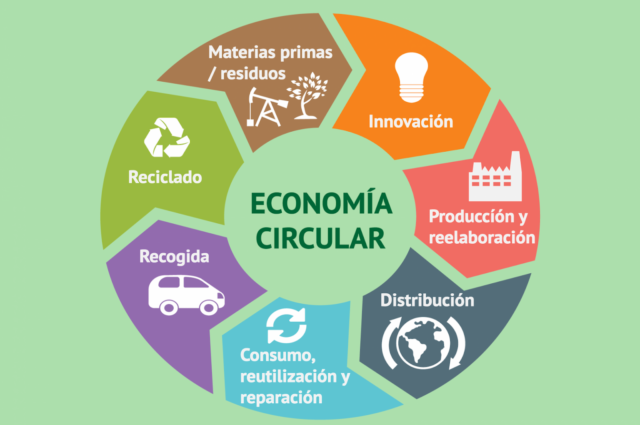
In this regard, the United Nations Development Programme’s (UNDP) proposals on the circular economy provide a viable and relevant framework for action. Supported by successful international case studies, these recommendations can be adapted to Cuba’s specific circumstances without necessitating substantial investments, by leveraging existing local resources and capacities.
For instance, fostering or strengthening partnerships among local producers, farmers’ markets, and social assistance networks can ensure that food not meeting commercial standards—but still safe for consumption—reaches the most vulnerable populations. This practice, successfully implemented in countries like Brazil and Mexico, has proven effective in reducing food losses and enhancing access to nutritious food.

Consumer education also plays a critical role. Misunderstandings between “best before” and “use by” dates contribute significantly to avoidable household waste. An educational campaign paired with clearer labeling could markedly reduce domestic food waste. European experiences demonstrate that such measures can decrease household food waste by up to 20%.
Cuba’s tradition of using organic fertilizers can be further strengthened by installing community composters and small-scale biodigesters. These low-cost, easy-to-maintain technologies convert waste into fertilizers and biogas, decreasing reliance on external inputs and generating energy savings for families.
Additional investment in basic infrastructure—such as silos, solar dryers, and improved storage systems—could substantially reduce losses of key products like coffee, cocoa, and fruits, which are vital to the local economy. Cooperatives across Latin America have increased profitability and minimized waste by adopting such improvements.
Promoting comprehensive food utilization—from cooking workshops to preservation guides—empowers families to maximize their resources. When combined with planned purchasing, this strategy has yielded positive outcomes in resource-scarce settings worldwide.
The impact of these measures extends beyond waste reduction. They help cut greenhouse gas emissions linked to organic waste decomposition and address the pressing issue of illegal dumpsites, aligning with national environmental commitments.
They also bolster local food security, reducing vulnerability to international market fluctuations. More importantly, they generate employment and opportunities within communities, fostering a more inclusive and decentralized economy.
Historically, Cuba has demonstrated remarkable capacity for innovation amid adversity. The circular economy presents an opportunity to advance this legacy by integrating environmental sustainability with social justice. The current environment of social transformation paves the way for such innovation.
The path forward is not without challenges. It demands political will, inter-institutional coordination, and active community engagement. Yet, international experience confirms that, with the right strategy, it is possible to transform waste into a resource and crisis into opportunity.
The circular economy is not a trend but an urgent necessity—one that Cuba can and must embrace by building on its strengths while learning from global best practices. The question is not if it can be done, but how and when.
