
With the repeal of Decree 107, Cuba reduces the activities prohibited for the non-state sector. The measure, announced by Lázara Mercedes López Acea, president of the National Institute of Non-State Economic Actors, eliminates 46 activities from the list of restrictions and modifies another 35. This modification broadens the scope of action for micro, small, and medium-sized enterprises (MSMEs), cooperatives, and self-employed workers.
The regulatory update is the result of a process of actively listening to Cuban entrepreneurs, explained the official, who framed the decision within the complex economic scenario exacerbated by the tightening of the US embargo. The new legal framework aims to ensure that the private sector contributes not only to economic results but also to improving services and offerings for the population.
The sectors that will benefit most include industry, energy, transportation, commerce, health, and education, with particular emphasis on opening pharmaceutical services for micro, small, and medium-sized enterprises (MSMEs) and cooperatives, and creating day and permanent care facilities for senior citizens. In both cases, the authorities emphasized that healthcare remains the exclusive responsibility of the State.
In the area of commerce, the Ministry of Domestic Trade (MINCIN) repealed Resolutions 56 and 18, which restricted wholesale trade. Now, this activity can be carried out without the need for contractual ties with state entities and can be either primary or secondary, although the prohibition for self-employed workers remains in place.
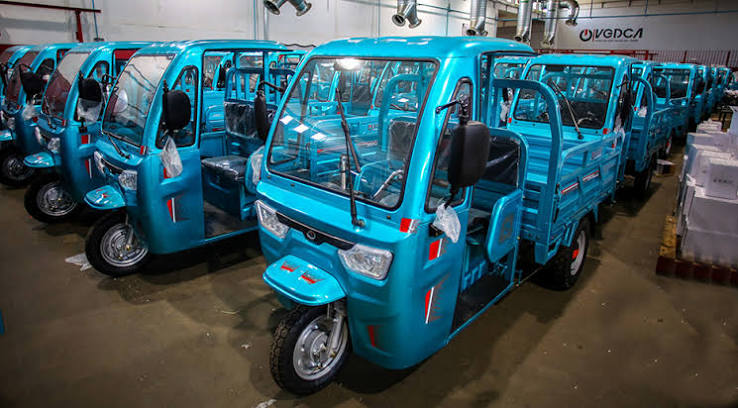
For its part, the Ministry of Transportation authorized the direct importation of electric vehicles for authorized legal entities, with tax exemption, provided they include charging stations powered by renewable energy sources. It also eased the management of passenger and cargo terminals and port piers that are not of national interest.
The Cuban business sector now includes 15,600 approved micro, small, and medium-sized enterprises (MSMEs), with expectations of reaching 16,000 by the end of August. Authorities emphasized that these measures do not constitute a privatization process, but rather an expansion of the non-state sector’s participation, consistent with the country’s economic and social transformations.
Source: Radio Progreso
