
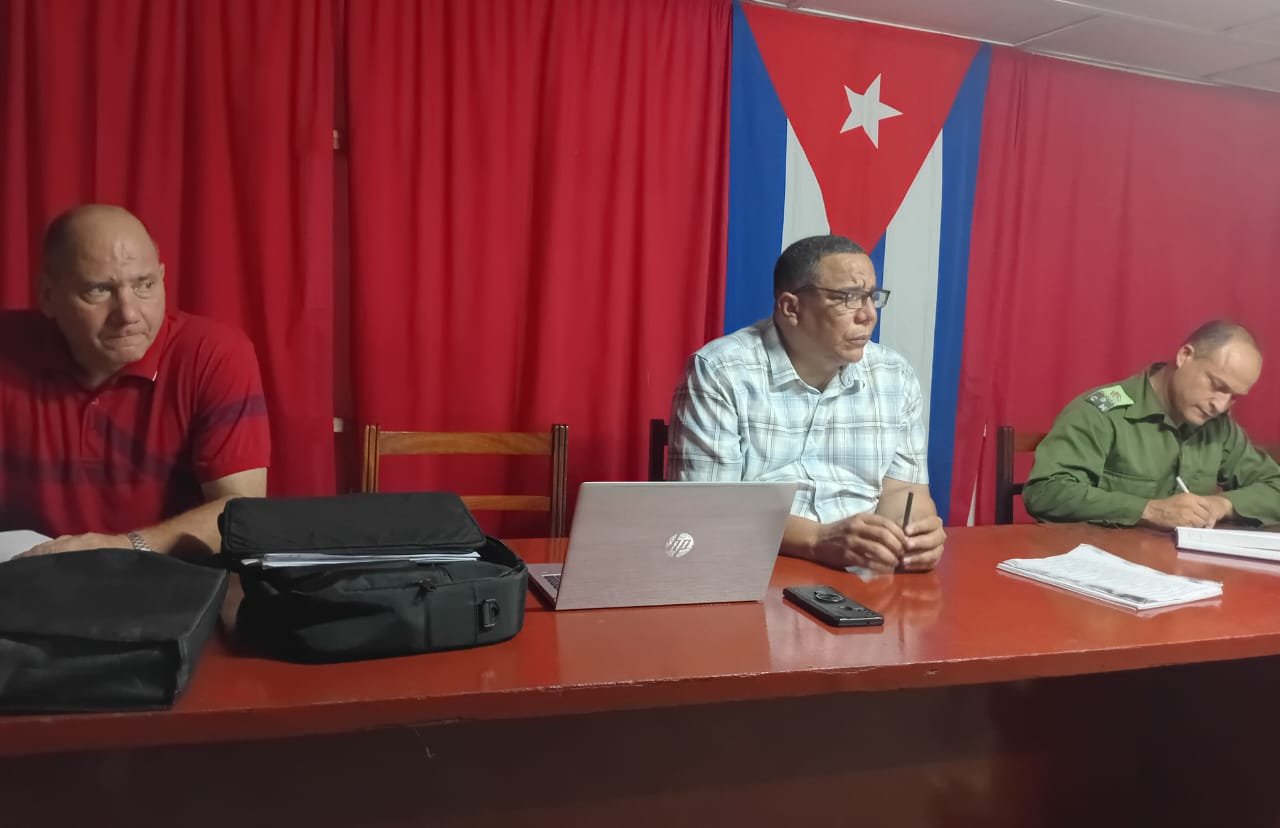
 Guantanamo.- During a meeting at the Communist Party of Cuba’s headquarters in El Salvador, Yoel Pérez García, the political leader in Guantánamo, evaluated the progress of the country’s new economic and social reforms. His assessment highlighted several shortcomings that are impeding the anticipated benefits for the population.
The gathering included key regional authorities, entity directors, and PCC cell secretaries, fostering an environment of critical reflection. Pérez García stressed the importance of non-state productive entities, particularly micro, small, and medium-sized enterprises (MSMEs), in contributing to pension payments, asserting that profits from private activities should benefit those who have dedicated their lives to work.
Additionally, the meeting addressed the Sovereignty Platform, a digital initiative aimed at enhancing transparency and citizen oversight, which has yet to register any users in the municipality due to insufficient outreach and training.
The leader called for the government to accelerate information dissemination and remove bureaucratic obstacles to registration. Concerns were also raised about the delayed launch of the Neighborhood Market, which is crucial for providing basic necessities, with attendees demanding a clear timeline for its opening to alleviate the rising costs of essential goods.
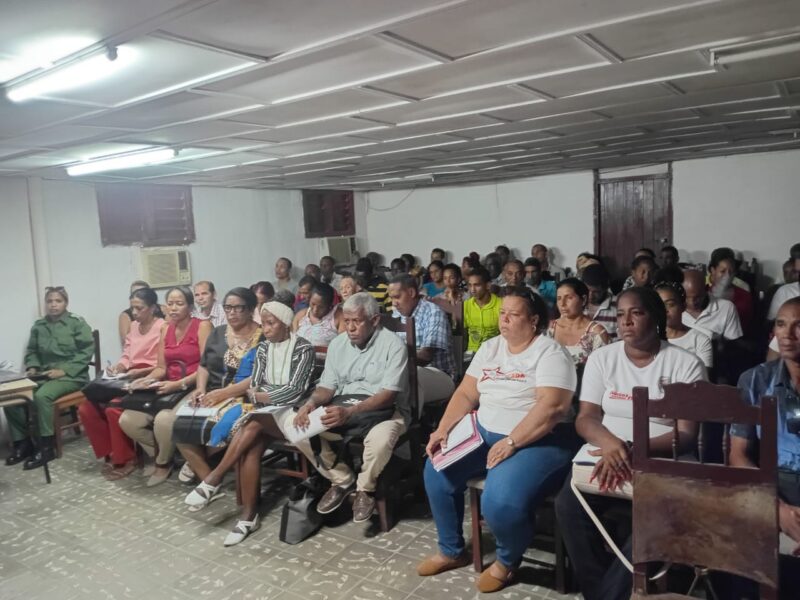
Land allocation and management have raised significant concerns. The Agriculture Delegate noted that there are still 219 cases awaiting allocation, despite a clear demand for these lands to be cultivated.
In response, the First Secretary of the Party in the province declared that the presence of unused land is unacceptable. He mandated a thorough review of each pending case to accelerate the allocation process, ensuring that beneficiaries can commence production promptly.
The leader emphasized the importance of keeping the public informed about the new measures and their potential benefits for the economic and social development of the El Salvador municipality.
However, he warned that successful implementation requires careful oversight and diligence, asserting that true progress will be gauged by the tangible resolution of the community’s daily challenges rather than mere announcements.
